Unveiling the
Hidden Drivers of
Galaxy Growth
CELESTE pairs a small space-borne laser guide star with the world's largest ground telescopes — delivering the sensitivity and resolution of a 39-meter space telescope, at a fraction of the cost, this decade.
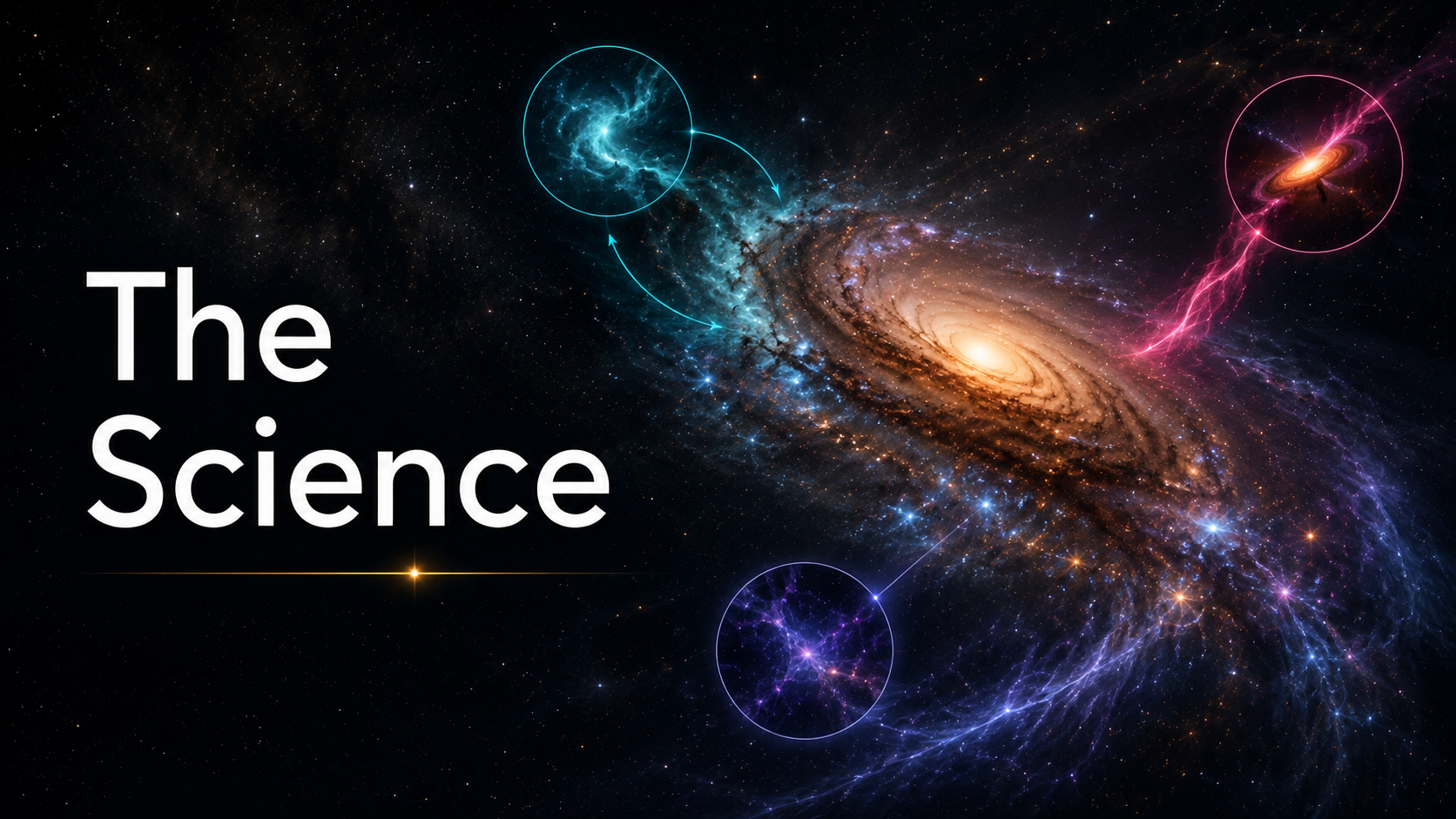
CELESTE addresses decadal priority science
Revolutionizing our understanding of the origin, evolution and complexity of galaxies
Explore the science →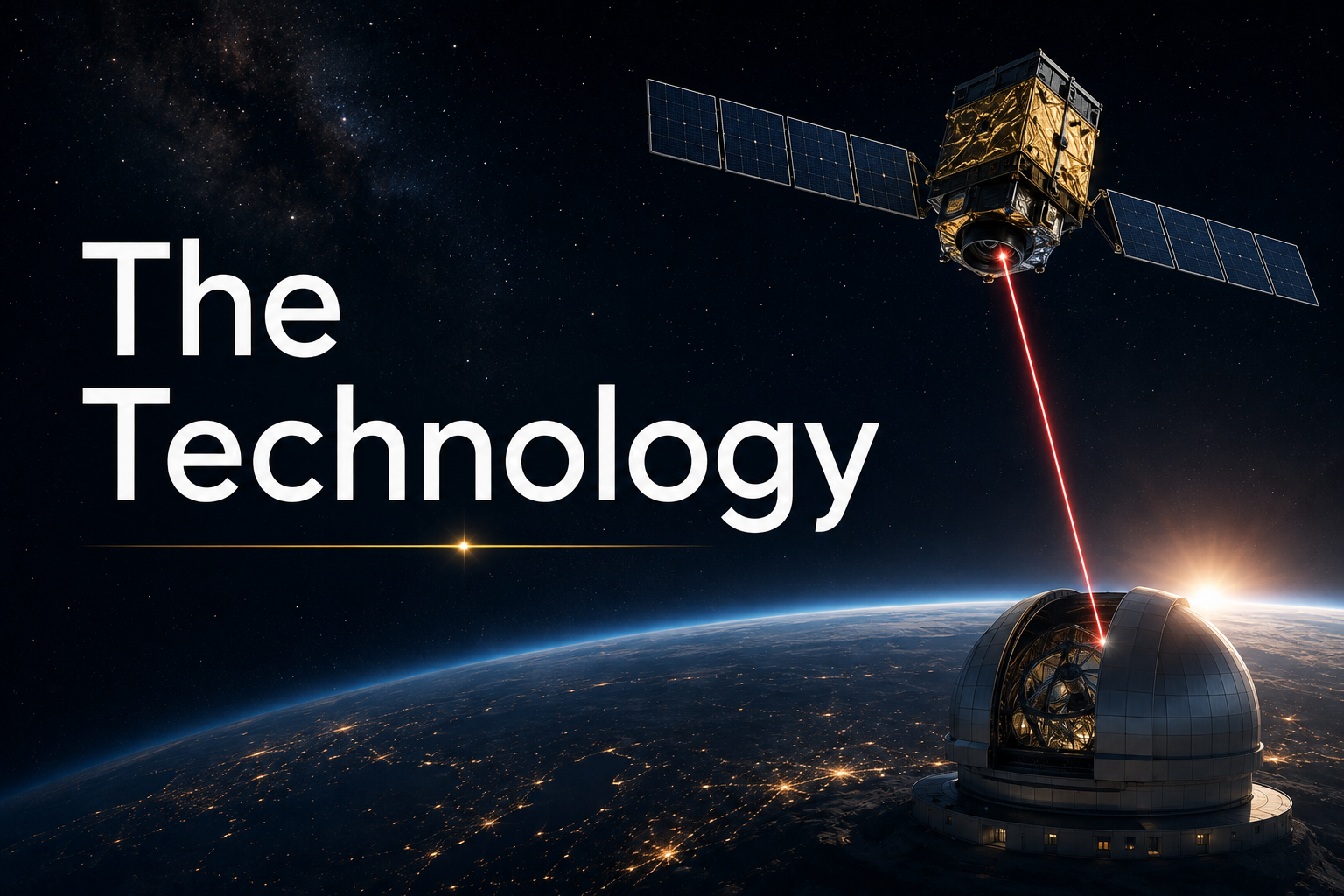
Proven, tested, ready.
A robust Space Flight system and instruments that enable mission success. No tecnology developent is required.
See how it works →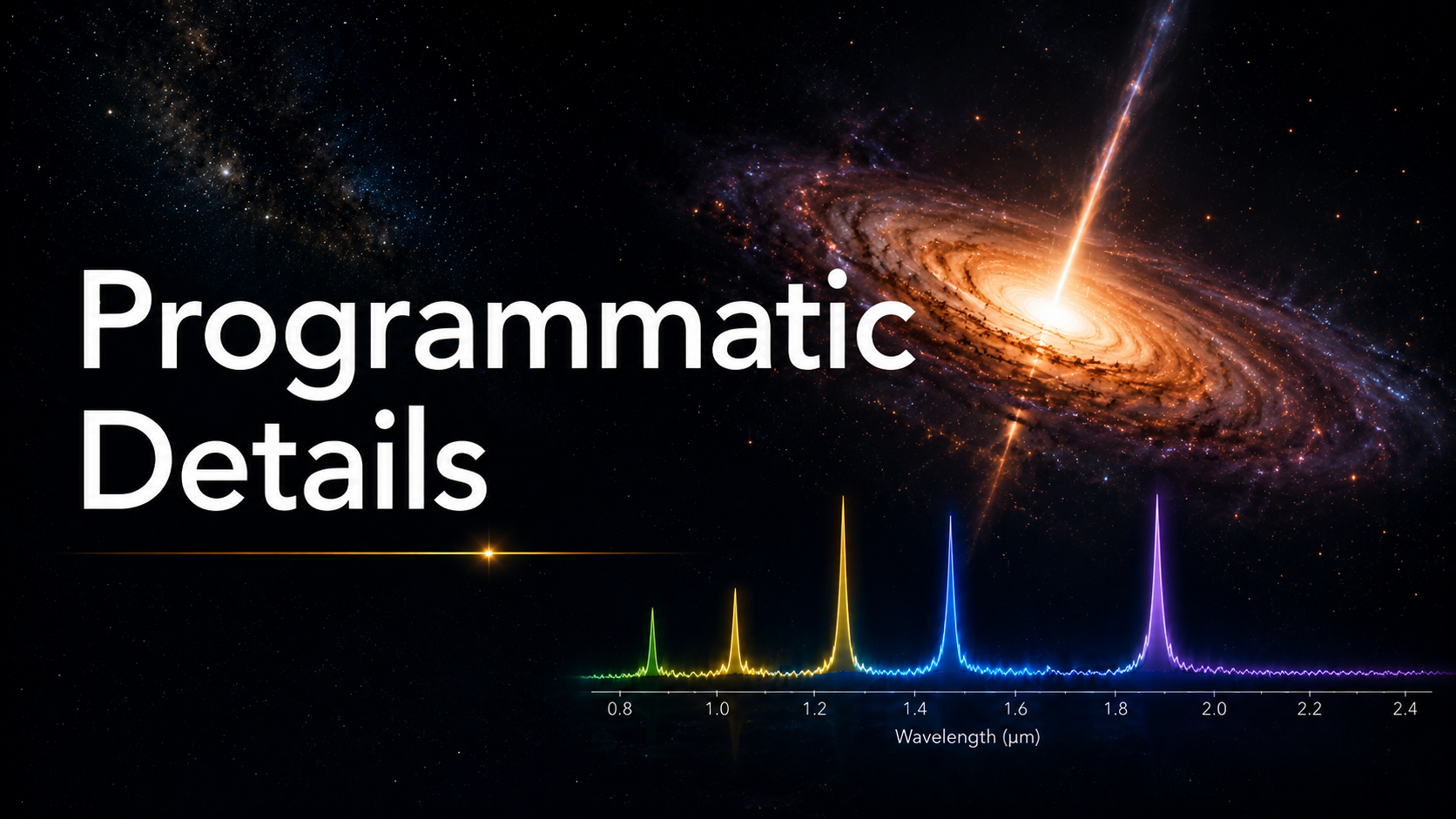
A credible management, schedule, and cost approach
CELESTE is supported by a capable management team, a feasible cost plan, and appropriate identification and mitigation of cost and schedule risks.
Read key messages →CELESTE and the Little Red Dots.
A panel discussion on the compact red sources JWST has turned up in the young universe — what their integrated light does and does not tell us, and what it would take to resolve the structures behind them.
Runtime 43 minutes · hosted on YouTube. Read the science case →
The detailed mission brief is open and public.
Science cases, full system architecture, and the programmatic plan are documented in briefs available for review.